Innovative Time and Attendance Tools to Embrace in 2026
As we approach 2026, the landscape of workforce management continues to evolve. Businesses are increasingly recognising the importance of efficient time and attendance tools that not only streamline operations but also enhance employee satisfaction. The rise of technology has led to the development of innovative solutions that cater to the diverse needs of modern organisations. This article explores some of the most promising time and attendance tools set to revolutionise how businesses track and manage their workforce.
Biometric Attendance Systems
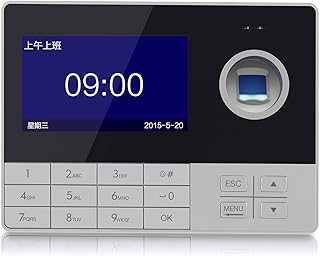
Biometric attendance systems are at the forefront of innovative time tracking solutions. Using unique identifiers such as fingerprints, facial recognition, and iris scans, these systems offer an unparalleled level of accuracy in tracking employee attendance. In 2026, we can expect these systems to become more sophisticated, integrating advanced artificial intelligence to improve functionality and security. This technology not only eliminates the risks of buddy punching but also streamlines the onboarding process by ensuring that only verified employees can access work premises.
Mobile Time Tracking Applications
With the rise of remote work and flexible job roles, mobile time tracking applications are becoming essential tools for businesses. In 2026, these applications will likely feature advanced geolocation capabilities that allow employers to verify the physical location of employees clocking in and out. Furthermore, the integration of user-friendly interfaces will ensure that employees can easily record their hours, request time off, and manage their schedules from their smartphones. This convenience promotes accountability and empowers employees to take control of their time management.
People Also Look For:
- Mumusuki Time Card, Double Sided Usage, Premium Paper, Convenient Usage, Versatile Solution, Intuitive Design, Time Tracking for E...
- Employee Time Clock, Fingerprint Attendance Machine Face Recognition Clocking in Machine Password Time Attendance Machine for Offi...
- Employee Leave Management and Daily Attendance Tracker: A Comprehensive Solution for Effortlessly Monitoring Staff Absences, Strea...
- DollaTek 3Pcs Tiny RTC I2C DS1307 AT24C32 Real Time Clock Module For Arduino AVR PIC 51 ARM
- RANJOVER Fingerprint Attendance Machine+10 Cards Access Control Electric Time Clock Recorder RFID Keypad
Cloud-Based Attendance Management Systems
The shift towards cloud-based solutions is reshaping how companies manage attendance records. By 2026, we can expect cloud-based attendance management systems to become the norm, offering businesses the flexibility to access data from anywhere in the world. These systems will allow for real-time updates and reporting, enabling managers to make informed decisions quickly. Enhanced data security and compliance features will also be crucial, ensuring that sensitive employee information is protected while meeting regulatory standards.
Artificial Intelligence and Analytics
Artificial intelligence is poised to play a significant role in the evolution of time and attendance tools. In 2026, we can anticipate the use of AI-driven analytics that will provide insights into employee attendance patterns, helping businesses identify trends and potential issues before they escalate. These insights can inform workforce planning, enabling companies to optimise staffing levels and enhance productivity. Additionally, predictive analytics will allow organisations to forecast attendance-related challenges and proactively address them.
Integration with Payroll Systems
The integration of time and attendance tools with payroll systems is another area to watch in 2026. As businesses seek to streamline their operations, seamless integration will be essential for ensuring that attendance data is accurately reflected in payroll calculations. This will reduce the risk of errors and discrepancies, ultimately leading to improved employee satisfaction and trust in the payroll process. Expect to see advancements in software that facilitate this integration, making it easier for HR departments to manage payroll and attendance in one unified system.
Wearable Technology
Wearable technology is making its mark in the realm of time and attendance tracking. By 2026, we can expect to see more businesses adopting smartwatches and fitness trackers to monitor employee hours. These devices can track movements, ensuring that employees are engaged and productive throughout the workday. Furthermore, wearables can facilitate communication between staff members and management, enhancing collaboration and ensuring that team members are connected, regardless of their location.
Employee Self-Service Portals
Employee self-service portals are becoming an integral part of time and attendance management. In 2026, these portals will likely offer a comprehensive suite of features that empower employees to manage their own time and attendance. From viewing their schedules and requesting time off to tracking hours worked, these portals will enhance transparency and reduce administrative burdens on HR departments. As a result, employees will feel more engaged and invested in their work, leading to improved morale and productivity.