Choosing the Right Time and Attendance Solutions for 2026
As we approach 2026, the landscape of workforce management is evolving rapidly. Businesses are increasingly recognising the importance of efficient time and attendance solutions to streamline operations and improve employee satisfaction. Selecting the right system is crucial, as it directly impacts productivity, compliance, and overall organisational effectiveness. This article will explore essential factors to consider when choosing a time and attendance solution for your organisation.
Understand Your Organisation's Needs
Before diving into the myriad of options available, it is essential to assess your organisation's specific requirements. Consider the size of your workforce, the diversity of your employee roles, and the various locations from which they operate. A small business with a handful of employees may require a straightforward solution, while larger organisations with remote teams may benefit from a more comprehensive system that offers advanced features such as mobile access and integration with other HR tools.
Another aspect to consider is the nature of your industry. For instance, sectors such as healthcare or manufacturing might have unique compliance and reporting requirements that necessitate specialised solutions. Identifying these needs early on will help you narrow down your choices and ensure that the system you select aligns with your organisational goals.
Evaluating Key Features
Once you have a clear understanding of your needs, it is time to evaluate the features offered by different time and attendance solutions. Look for systems that provide robust tracking capabilities, allowing you to monitor employee hours accurately. Features such as biometric time clocks, geolocation tracking, and mobile apps can enhance the accuracy of timekeeping and ensure that employees are where they need to be when clocking in and out.
People Also Look For:
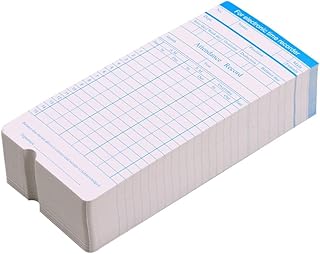
- JIAN BOLAND Thermal Time Cards 50pcs,Monthly, 2-Sided,7.3×3.3inches Weekly Employee Time Sheet for Thermal Punch Clock
- The Contact Center Scheduling Blueprint: A Proven Weekly Workforce Planning System for 50-Seat Teams (The Workforce Management Pla...
- Workforce Management Solutions A Complete Guide - 2021 Edition
- Efficient Third-Party Employee Attendance Log: A Comprehensive Attendance Management Solution for Outsourced Workforce - 120 Pages...
- NGTeco Clock in Machine, Multi-Biometric Time Attendance Terminal with Wi-Fi, Facial Recognition, Fingerprint, RFID, Password,Offi...
Additionally, consider the reporting functionalities of the solution. Customisable reports that offer insights into attendance trends, overtime hours, and compliance with labour laws can significantly benefit your organisation. A solution that provides real-time data can empower managers to make informed decisions and address issues as they arise.
Integration with Existing Systems
In 2026, the integration capabilities of time and attendance solutions will be more critical than ever. Many organisations utilise various software applications for payroll, human resources, and project management. Choosing a time and attendance system that seamlessly integrates with these existing platforms can save time, reduce errors, and enhance overall efficiency.
When evaluating potential solutions, inquire about their compatibility with your current systems. A solution that offers APIs or pre-built integrations can simplify the implementation process and ensure that data flows smoothly between systems. This not only reduces administrative burden but also improves the accuracy of information across the board.
Consider User Experience
The user experience is a crucial factor that can influence the adoption of a time and attendance solution within your organisation. A system that is difficult to navigate or requires extensive training may lead to frustration among employees and ultimately hinder productivity. Look for solutions that offer intuitive interfaces and user-friendly features.
Providing employees with a straightforward method for tracking their time can increase compliance and reduce errors. Consider solutions that offer mobile access, enabling employees to clock in from their smartphones or tablets. This flexibility can be particularly beneficial for remote workers or those who frequently travel for business.
Cost and Scalability
Budget considerations are always a factor when selecting a new system. However, it is essential to look beyond the initial costs and consider the long-term value that a time and attendance solution can provide. Assess the pricing structure of potential solutions, including licensing fees, implementation costs, and ongoing support expenses.
Moreover, as your organisation grows, your time and attendance needs may evolve. Choose a solution that can scale with your organisation, accommodating additional users and features as required. This ensures that you do not have to switch systems frequently, which can be disruptive and costly.